As a performer, Ricketts explores spectatorship and the culturally-inscripted body within our ever-growing world of fluid borders and hybrid identities within the context of inclusive education. Her work challenges traditional learning paradigms inviting personal and fractured narratives as a catalyst to examine the notion of self and other within an autobiographical and collective storying process.
While critiquing text centred educative strategies Ricketts strives to cultivate dynamic and imaginative spaces whereby the body at play, including all abilities and challenges, becomes the most critical tool for transformative learning across all subject areas. Ricketts has articulated a curriculum tool coined Embodied Poetic Narrative, a triangulation of body, story, and object in creative and shared play as a way to surface new understandings of self in relation to community and curriculum. This curriculum model carries multiple entry points whereby the teacher/participant can enter from creative writing and/or movement in combination with shared stories developed from objects of value. In this way I problematize privileged positions of naming and knowing objects in relation to the everydayness of their use. Instead I elevate and amplify them as metaphors and emblems of our shared values and positions in the world. With this work I move education onto a horizontal plane of exchange and empathy rather than a vertical plane of transmission. The reciprocal nature of this approach allows for vibrant explorations with self-invested learners who become connected to and responsible for their immediate, local and global community.
Ricketts experiments with play and characters as she explores source material as a springboard for creatively personal renderings both as a performer, director, collaborator and facilitator moving between performances, dialogue and workshops.
Throughout her 40 years working in modern dance and theatre, she has been interested in crashing the myth of elitist abstraction that comes with experimental work by constructing a culture where the spectator enters a participatory realm of empowered meaning–making. Ricketts continues her curiosity in watching how a piece unfolds through the rigor of physical explorations coupled with critical discourse. She is also very interested in how she, as a choreographer and/or improviser, feels she is holding up a mirror while making choices that are at the same time powerful to the audience or other performers she happens to be working with. As she listens and ascertains which creative impulses are chosen and which are discarded, Ricketts understands that the other performers and audience are certainly creating a hybridity of meaning.
Ricketts is cracking open a creative process for participatory meaning making with the intention of developing and broadening a user-friendly language in creative performative processes shared by those who enter this space with her.
Ricketts explores situations and settings, intentions and relationality through spoken text, voiced sounds, movement, prop manipulation and graphic design involving movement, observation and note taking in the form of graphic mapping. In this way she weaves particular emergent narratives through non-chronologic space and time and yet within a performative membrane that affords some kind of sense making
Ricketts’ Characters
Ricketts’ work in improvisation is such that she inhabits characters for a long period of time (LUG 18 years) and they become a kind of kinaesthetic conduit for the stories of others. Sometimes these are stories that have been silenced and/or never been told. In this way her practice based research works as a catalyst for community building within an emancipatory process.
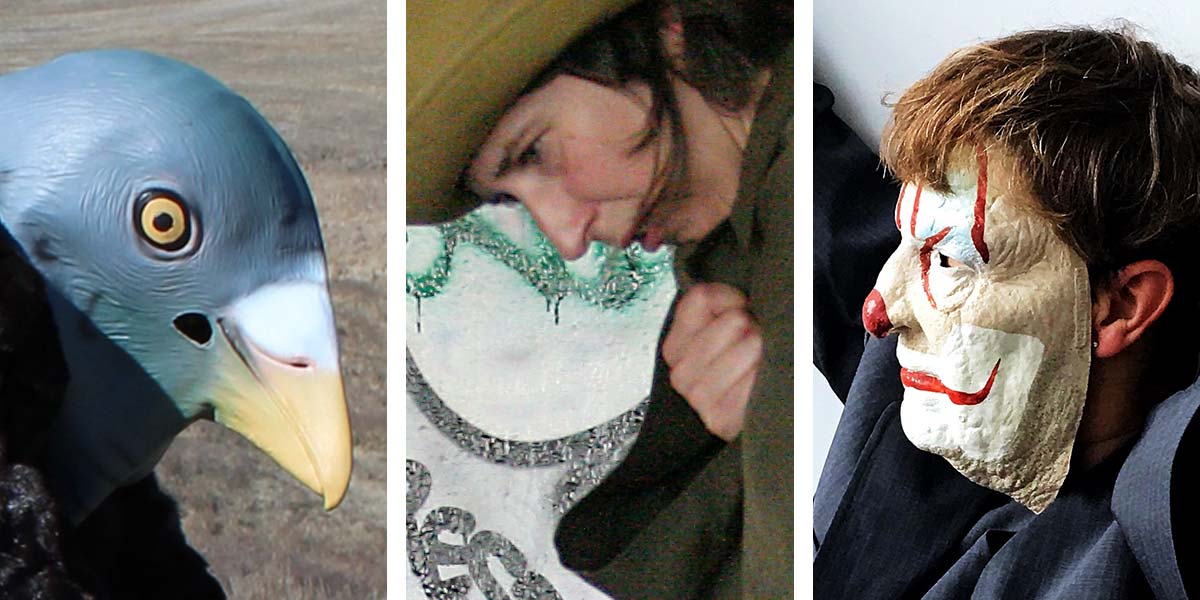
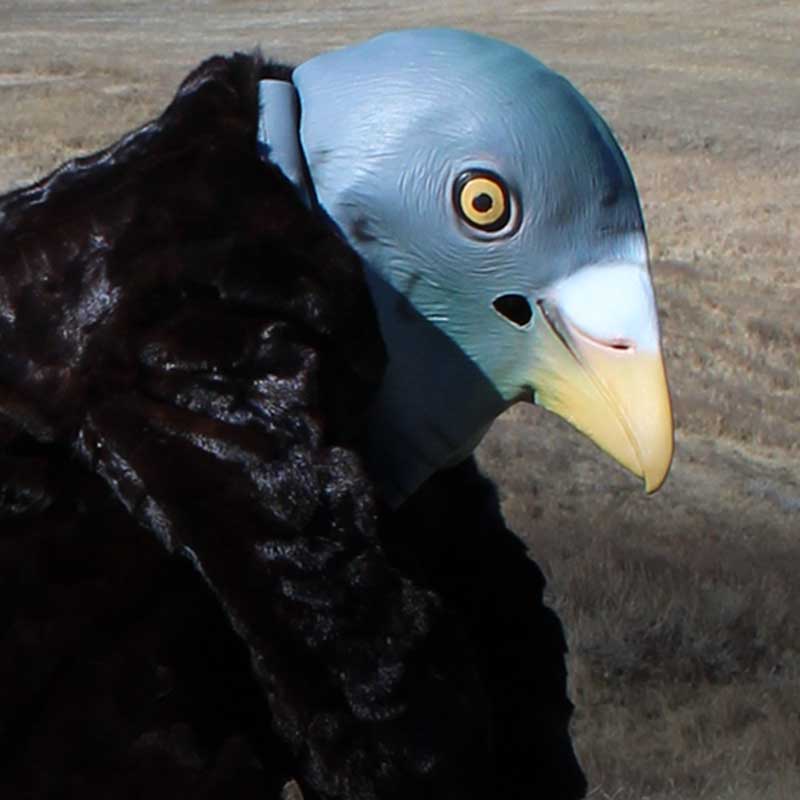
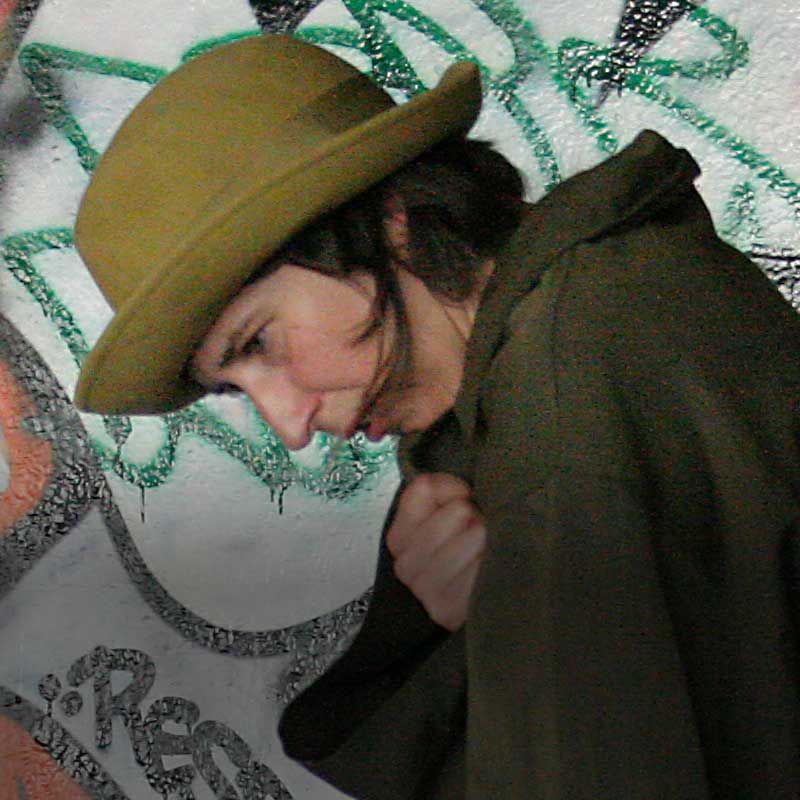
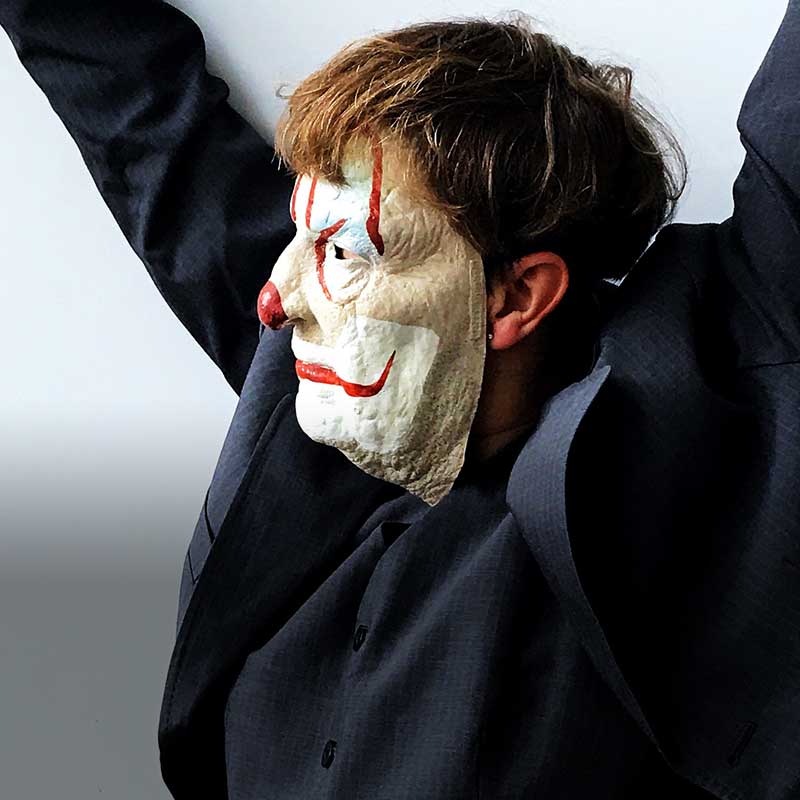
Ricketts has three characters that she inhabits for the purpose of creating kinaesthetic provocations towards important dialogue. Her 18 year old character LUG, donning an old overcoat and felt hat and always ‘lugging’ an old leather suitcase, dances stories of displacement, longing, belonging and in-betweeness. Remington, part human, part animal, wearing a rubber pigeon head and a coiffed fur coat, tells and provokes stories of our relationship to land and place. Finally Rufus, only 2 years old, is a tired clown that struggles to find humour in dissonance. This character is steeped in what we may identify as failure but with further interrogation we understand that Rufus invites us into the fertile place of the unexpected, the unplanned and the unintended. These improvisations are playfully probing and bittersweet in nature and leave us with a sense that risk is possible and necessary.
LUG
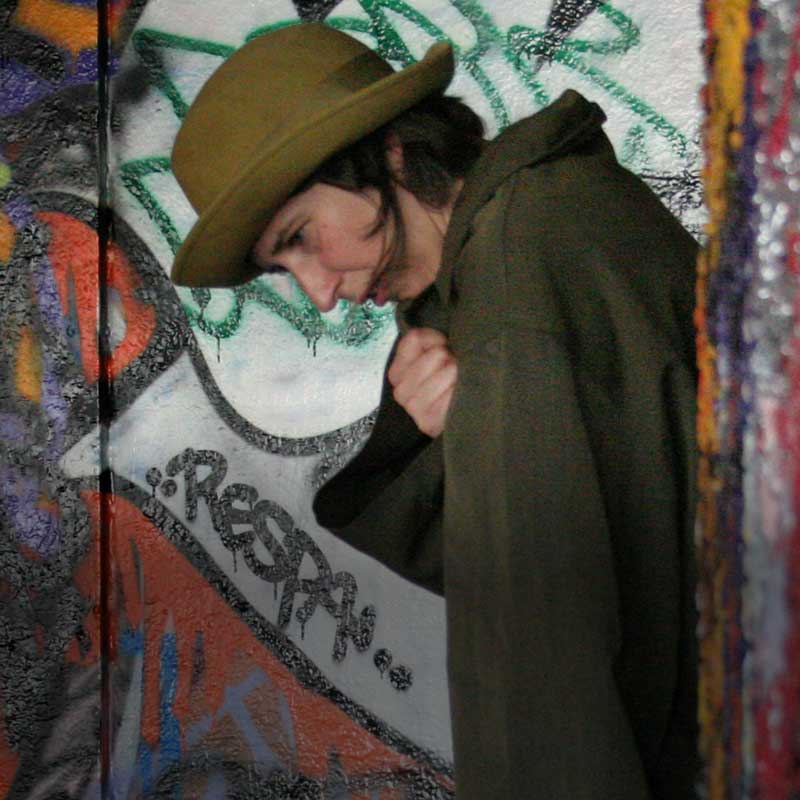
One is called LUG with a full length overcoat, felt hat and weighted by aged leather suitcases. This character dances stories of arrivals, departures and the liminal spaces between. LUG surfaces stories of belonging and isolation and is often performing for and with communities who are feeling displaced or silenced either culturally geographically or emotionally.
Remington
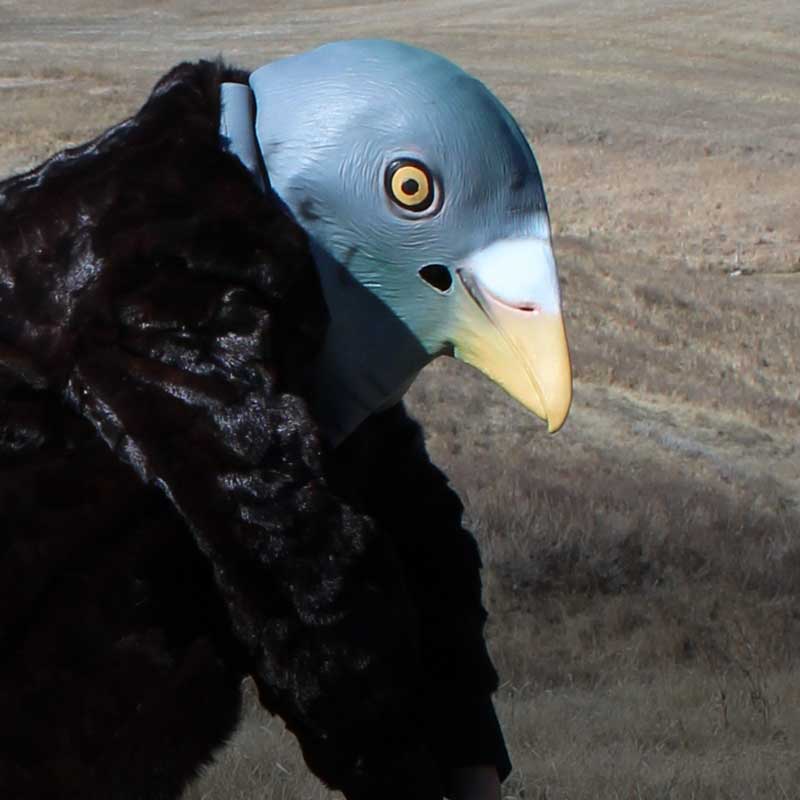
The second character, Remington is an anthropomorphized bird inhabiting an austere prairie soaked landscape of sound and video. Provoking important conversations around identity, land, place, migration and belonging. This character has become a call to action in relation to our treatment and response to the natural world and especially to our treatied land here in Saskatchewan.
Rufus
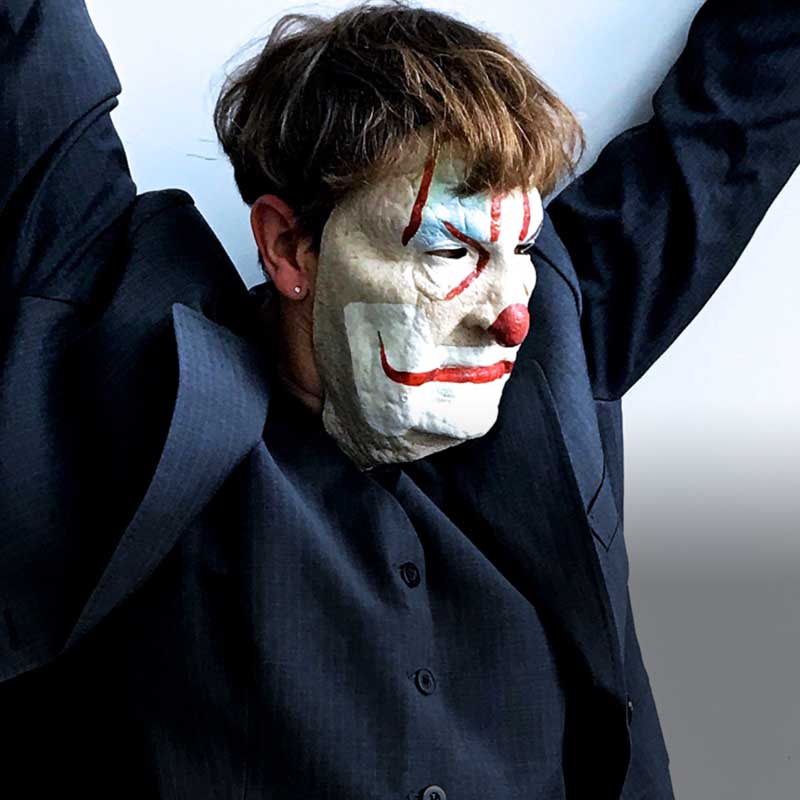
The third and most recent character is a tired clown in a 3 piece suit calling attention to the natality in dissonance and error. Rufus reminds us not only of the value but the necessity of failure and risk taking.
All characters echo themes of displacement, migration belonging, arrivals, departures, restitution and atonement. I have been dancing these characters for 14 years and each time I perform it is different as they are structured improvisations in direct response to context and conditions.
Mirochnik, E., & Sherman, D. C. (Eds.). (2002). Passion and pedagogy: Relation, creation, and transformation in teaching. New York, NY: Peter Lang. Lesley University Series in Arts Education.